
.jpg)
In this studio, we chose one site in Antarctica to analyze, attempting to explore “its materiality (the ice), its climatic conditions and environmental processes “(from the studio outline). My selection is Lake Vostok, which is by far the largest and first discovered subglacial lake on this continent, isolated from the external environment for more than 15 million years. It is more like the water system on other planets or moons.
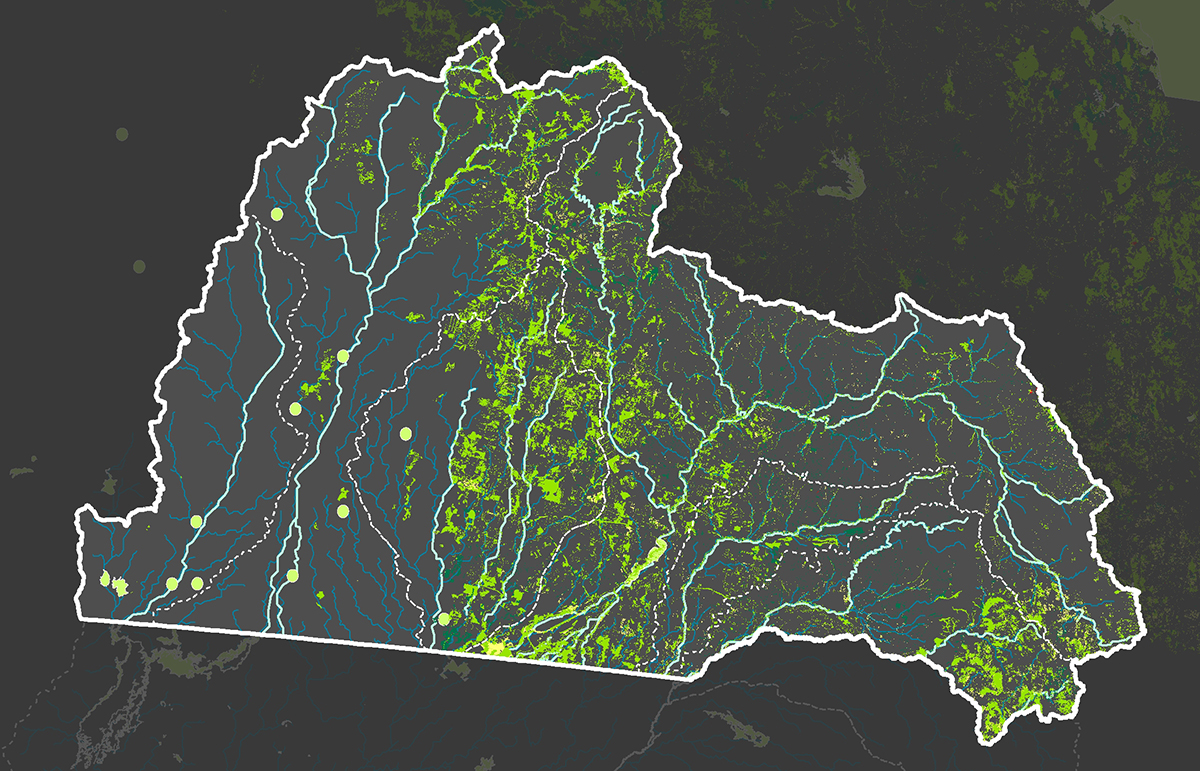
Both surface and under-ice map layers are presented on the drawing to unveil the hidden relationship. I proposed that the ice flow direction on the surface is influenced by the movements in the lake based on this drawing. Then I selected one transect, connecting two potential discharge outlet points with the largest span. The section below highlights three movements that strongly influence (I reckon) the surface ice flow direction - Circulation, Erosion, and Accumulation upon and in the lake. I brought these concepts into my toolbox and brought them to Macquarie Point for further testing.
The former three movements and the environmental problems (Eutro-
phication, flood, and zinc pollution)helped me create the transect in Hobart. The rain flows along the valley which is the result of erosion from Mount Wellington to Macquarie Point. A variety of pollutants including litter (particularly floating plastics), soil, and fertilizers without treatments go into Derwent River with the stormwater. They will join the accumulated zinc and the pollution from aquaculture lease damaging the local ecosystem. As a result, the coastline design is crucial.
The filter/purification organs of creatures, such as gills and kidneys, inspired the interventions on the coastline. The landscape slopes guide the flood into the designed trajectory, and the extended perimeter ensures filtration before flowing into the Derwent River. In addition, the curved form helps block solid wastes so they can be collected by cleaning staff afterward.
Capsules reflect the current zinc concentration in Derwent River, attempting to raise their awareness of how clean/polluted the river is. Several capsules can depict the concentration changes in recent years, like the bar chart in an academic paper. The public can understand easily whether their river is cleaner than in the past.

.jpg)
.jpg)
.jpg)
.3.jpg)
.2.jpg)
.2.jpg)
-02.jpg)


